December 2, 2022 02:54pm
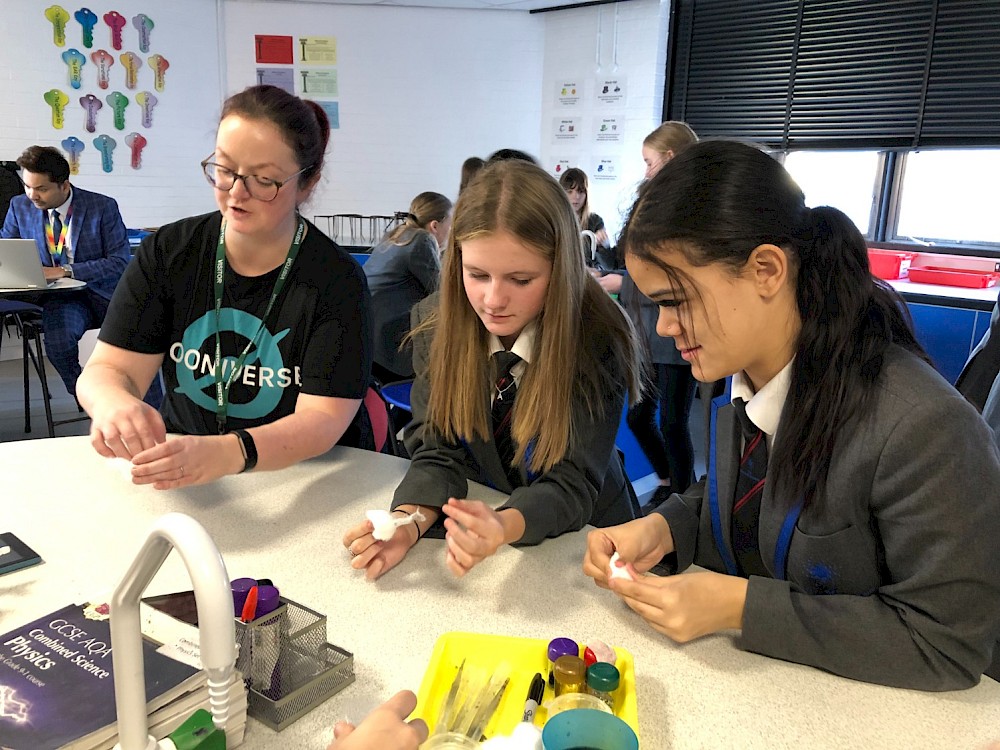
After learning about the moon the other week, Year 7 are now travelling beyond our solar system to explore galaxies! Yesterday, we welcomed Kathryn, from the University of Oxford’s Zooniverse, to lead our Year 7 students on their learning journey into deep space. The Zooniverse is an online platform created by Oxford University to allow the public to take part in online academic research.
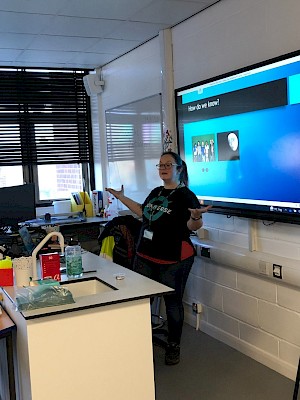
In the workshop, students identified galaxies from a series of photos and learned that they are made of stars, gas, dust and dark matter. Students learned about 2 different types of galaxies; spiral and elliptical. Both types of galaxies orbit around a galactic centre. Spiral galaxies are bluer in colour, have cold gas and lots of dust. Elliptical galaxies are redder in colour, contain warm gas and less dust.
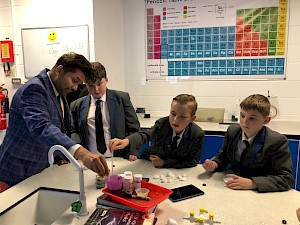
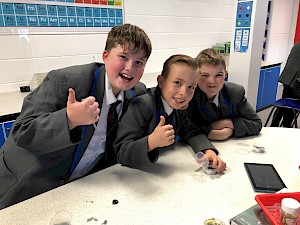
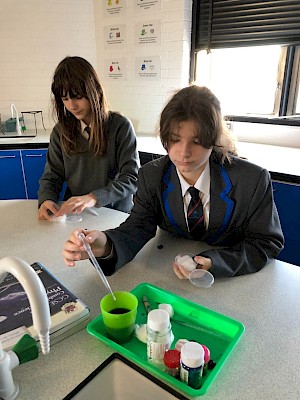
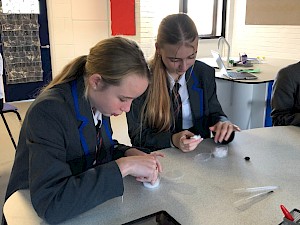
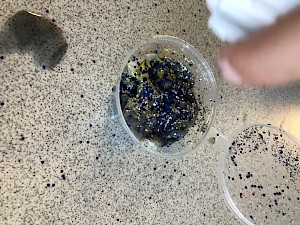
Students then got to work making their own miniature model, choosing between a spiral or elliptical galaxy. They created their models using a small plastic tub, cotton wool, a marble as the galactic centre, glitter as stars, and adding liquid colouring to the cotton wool with a pipette. Lots of glitter was required as galaxies have between 100-400 billion stars. Kathryn told students that if they were to try to just count a billion of those stars, it would take them 31 years of continuous counting!
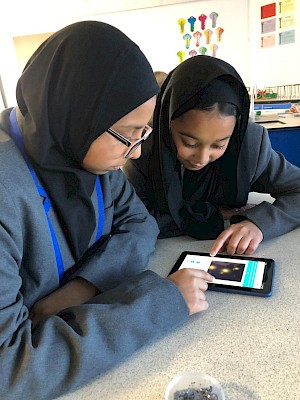
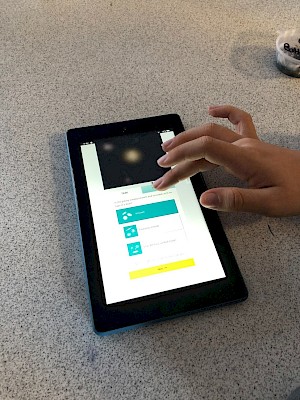
After creating their models, it was time for students to become citizen Scientists, viewing and classifying images of galaxies on the Galaxy Zoo website. The images on the website come from the Subaru telescope, located on the summit of Mauna Kea in Hawaii.
The workshop concluded with a short history of how humans came to know about galaxies, with Kathryn telling the students about key historical figures and inventions such as the Hubble telescope.
Are you feeling inspired to explore distant galaxies? Have a go at classifying galaxies on the Galaxy Zoo website: https://www.zooniverse.org/projects/zookeeper/galaxy-zoo